
Unveiling the Strategies to Shine
In the evolving landscape of technical interviews, pair programming interviews have emerged as a dynamic and insightful method to assess candidates. Unlike traditional coding interviews that focus solely on individual problem-solving skills, pair programming interviews delve into the realm of teamwork, collaboration, and communication. In this comprehensive guide, we will dive deep into the world of pair programming interviews, explore their unique characteristics, and equip you with a robust toolkit of tips and strategies to ace your next pair programming assessment.
A Mindset Shift: Navigating the Pair Programming Landscape
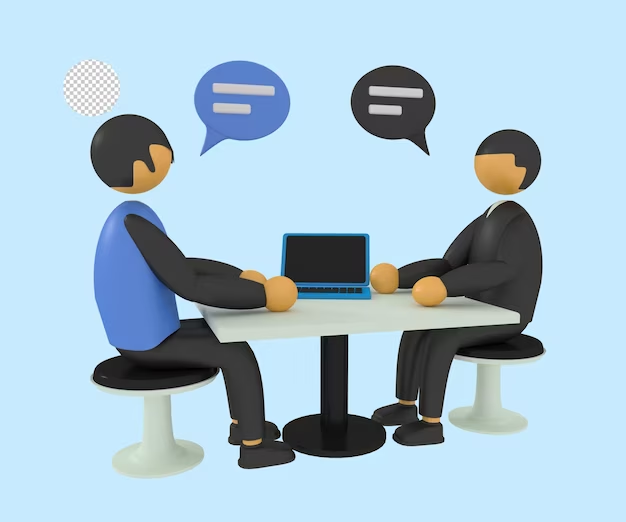
Before delving into the strategies that can set you on the path to pair programming prowess, it’s essential to cultivate the right mindset. Picture the interview not merely as a test, but as a simulated pair programming session with a seasoned colleague. This shift in perspective elevates the interview from a nerve-wracking evaluation to a collaborative adventure.
Envision that you are collaborating with a prospective teammate to tackle a challenge. In this shared endeavor, the spotlight extends beyond coding efficiency—it encapsulates your ability to cooperate, listen, and contribute constructively. As you approach the interview with this frame of mind, you lay the foundation for a holistic showcase of your skills, spanning both coding prowess and interpersonal finesse.
Navigating the Journey: Tips for Success
As the curtains rise on your pair programming interview, armed with the right mindset, it’s time to embrace a series of strategies that can transform your experience into a triumphant endeavor.
1. Read the Problem Statement Thoroughly
Before embarking on the coding odyssey, dedicate a few precious minutes to immerse yourself in the problem statement. Delve into its intricacies, nuances, and requirements. This initial reading not only aids in comprehending the challenge but also lays the groundwork for effective problem-solving. Should any aspect appear ambiguous or unclear, do not shy away from seeking clarification. A proactive approach demonstrates your engagement and commitment to a thorough understanding.
2. Think Out Loud: Articulate Your Thought Process
The power of verbalizing your thought process cannot be underestimated. As you contemplate your approach to the problem, let your inner monologue echo aloud. This practice not only serves as a compass, guiding you toward the right solution path but also provides the interviewer with a window into your cognitive journey. Think of it as a platform to showcase your communication skills, making your mental steps transparent and accessible.
3. Collaborate and Discuss Design Decisions
As you proceed, engage in a discourse with your interviewer about design decisions. Articulate the rationale behind your choice of algorithms, data structures, and methodologies. By offering insights into your decision-making process, you showcase your ability to reason and your openness to collaborate.
4. Consider Edge Cases and Write Clean Code
While you navigate through the coding landscape, consider the terrain of edge cases. Anticipating scenarios that deviate from the norm demonstrates your problem-solving depth. Furthermore, ensure that the code you write embodies readability, testability, and maintainability. Employ meaningful variable names, well-structured methods, and organized classes—testaments to your professionalism and dedication to quality craftsmanship.
5. Seek Guidance and Embrace Collaboration
In the face of challenges or uncertainties, don’t hesitate to tap into the collective wisdom of your interviewer. A fundamental tenet of pair programming is collaboration, and seeking guidance underlines your willingness to learn and adapt. Engage in discussions, ask for pointers, and approach the interview as a shared endeavor to unravel complexities together.
6. Thriving in Extended Interviews
In scenarios where the interview extends beyond the conventional timeframe, sustain your collaborative spirit. Embrace the evolving challenges, communicate effectively, and maintain adaptability. This extended format provides an extended canvas to illustrate your skills, adaptability, and growth mindset.
As the curtains rise on your pair programming interview, armed with the right mindset, it’s time to embrace a series of strategies that can transform your experience into a triumphant endeavor.
The Essence of Success: A Holistic Approach
The pair programming interview evaluates beyond coding skills, reflecting collaboration, communication, and pragmatic delivery. Embrace this opportunity to showcase your technical acumen and collaborative potential.
In scenarios where pair programming interviews extend beyond an hour, maintain a collaborative mindset. Sustain effective communication, adapt to challenges, and iterate through solutions. Remember, the interview isn’t just about the result—it’s a journey that unveils your coding prowess, teamwork, and adaptability.
Harnessing the Power of Communication
Communication emerges as a pivotal factor during pair programming interviews. The ability to articulate your thought process, explain design decisions, and seek guidance shapes the trajectory of the interview. Effective communication extends beyond coding proficiency and underscores your capacity to collaborate seamlessly in a team environment.
- Navigating Disagreements and Ambiguities
In the collaborative landscape of pair programming, disagreements and ambiguities may arise. Addressing these challenges with poise and respect showcases your adaptability and conflict-resolution skills. Engage in constructive discussions, demonstrate an open-minded approach, and actively seek solutions that align with shared goals;
- The Interplay of Coding and Collaboration
Pair programming interviews synergize coding skills with collaborative prowess. Candidates must balance technical problem-solving with effective teamwork—a reflection of the multifaceted demands of modern software development. Excelling in these interviews requires a blend of technical acuity, communication finesse, and an adaptable mindset.
Video Preparation
To help you prepare even better for the interview, we have found a little cheat sheet for you. Enjoy watching.
In-Depth Comparison: Pair Programming vs. Traditional Interviews
| Aspect | Pair Programming Interview | Traditional Interview |
|---|---|---|
| Focus | Collaboration, teamwork, communication | Individual problem-solving |
| Realism | Simulates real-world coding environment | Isolated coding assessment |
| Communication | Active dialogue with interviewer | Limited communication |
| Evaluation | Comprehensive skill assessment | Limited insights into teamwork |
| Skills Tested | Problem-solving, teamwork, communication | Problem-solving, coding |
Conclusion
Mastering the pair programming interview is not just about solving code puzzles; it’s about thriving in collaborative coding landscapes. As you embark on this journey, embrace the opportunity to showcase your holistic abilities—your prowess in coding, your finesse in communication, and your knack for teamwork. Let every challenge be a chance to learn, grow, and leave a lasting impression. As hybrid work models become the norm, your ability to excel in pair programming assessments will propel you toward success in the ever-evolving tech industry. Good luck on your next pair programming interview journey!
FAQ
A pair programming interview assesses not only your coding proficiency but also your teamwork, collaboration, and communication abilities. It is an all-encompassing evaluation that mirrors real-world coding environments.
Prepare by shifting your perspective to collaborative problem-solving. Practice thinking aloud, dissect complex problems, and foster open communication. Embrace the opportunity to demonstrate both your technical and interpersonal competencies.
Disagreements may arise, but approach them with respect and an open mind. Collaboration thrives on diverse perspectives—engage in constructive discussions to reach a shared understanding.
Pair programming interviews provide a comprehensive assessment of your problem-solving, collaboration, and communication skills. Interviewers evaluate not only your coding approach, but also your ability to navigate shared challenges.
To stand out, embody both technical prowess and collaborative finesse. Approach challenges with enthusiasm, engage in meaningful discussions and showcase adaptability. Demonstrate that you possess the holistic skill set required to excel in collaborative coding environments.